
WUD Estonia 2021: A Design Challenge
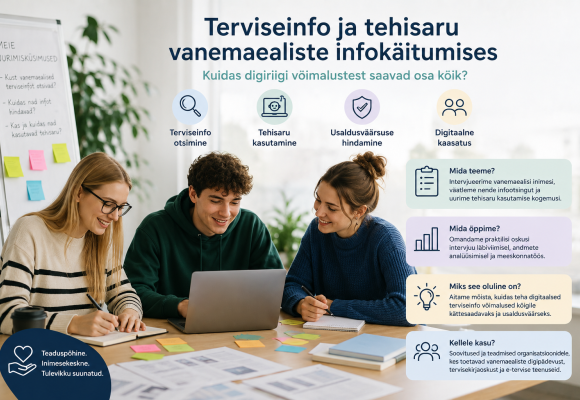
Making our World easier for all! The challenge is to propose a digital technology-based solution focused on this year's WUD theme: The Design of our Online World: Trust, Ethics and Inclusion. Each team has to find an Estonian organisation who needs some sort of digital technology-related solution: a website, an app, a platform, etc... Each team has to find out the organisation's needs and create a prototype of a digital technology-enabled solution accordingly. The project is grounded on interaction design as a process. Students will have the opportunity to engage with field research, user research, generative research and prototyping methods. The team or teams will be guided through the stages of an interaction design project leading to a prototype as a proof of concept. The outcome of your work will be communicated through an actionable interaction design prototype.
TWN
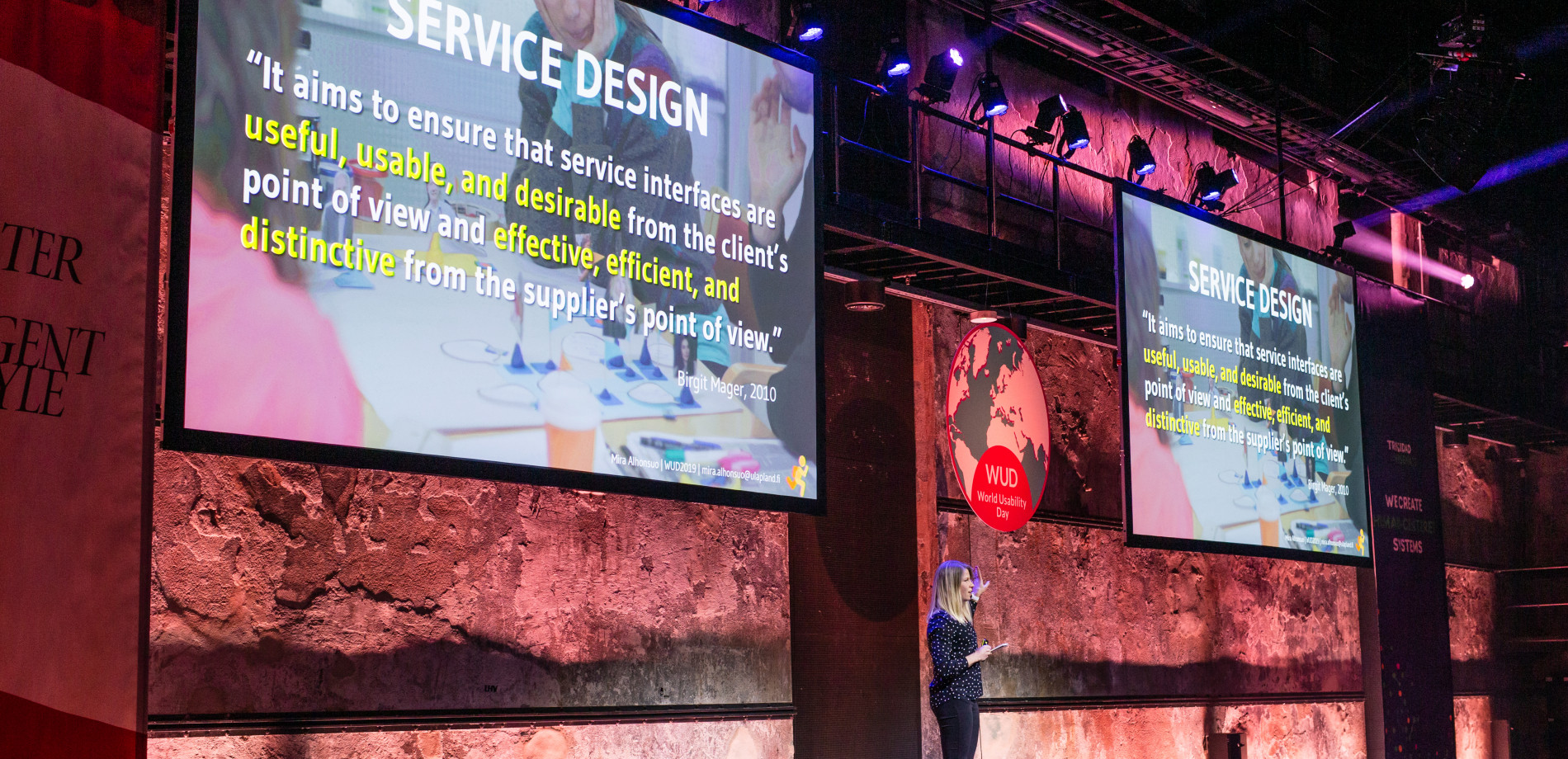
Service design
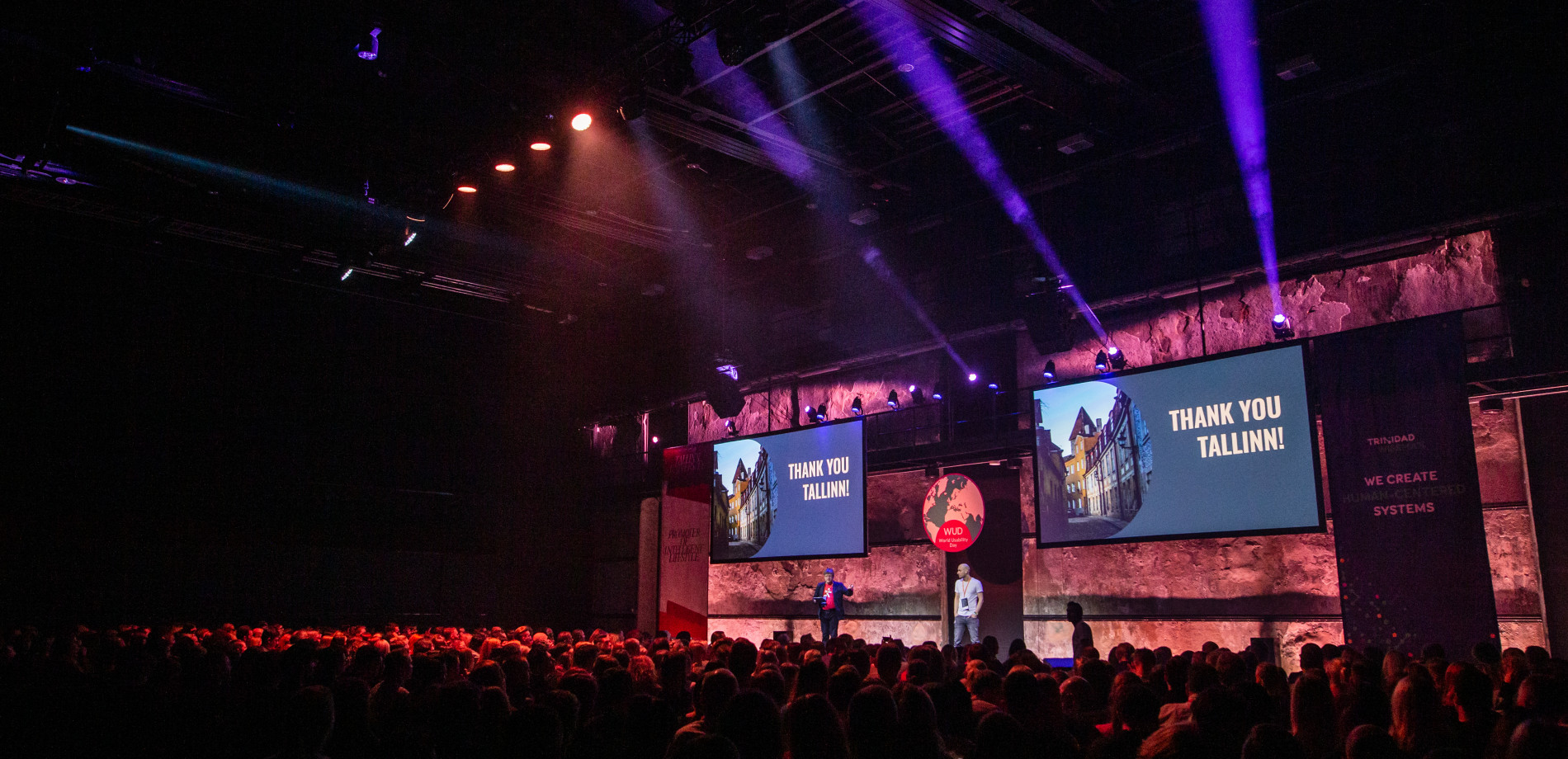
Conference
Projekti eesmärk
The challenge is to propose a digital technology-based solution focused on this year's WUD theme: The Design of our Online World: Trust, Ethics and Inclusion.
In a short span of 30 years, the Internet has transformed our lives and reduced the world to a global village. From work meetings to medical appointments, many of our daily activities have turned virtual. We are now faced with the challenges of designing for our online world:
- How can we foster trust in the online environments we create?
- What are the ethical implications of our work?
- How can we make sure our creations are inclusive, accessible to all?
Rühma liikmed
Audiovisuaalne meedia (1)
Poliitika ja valitsemine (1)
Informaatika (1)
Külalisüliõpilane (1)
Lisainfo viitamise ja õiguste kohta
When referencing project outcomes, the APA7 citation system is used.
If a work has more than 20 authors, the names of the first 19 authors are listed, followed by an ellipsis (...), and then the name of the final author. If there are fewer than 20 authors, the names of all authors are listed.
Rühma liikmed
Inimese ja arvuti interaktsioon (1)
Interdistsiplinaarsed sotsiaalteadused - Artes Liberales (1)
Informaatika (2)
Sotsioloogia (1)
Reklaam ja suhtekorraldus (1)
Lisainfo viitamise ja õiguste kohta
When referencing project outcomes, the APA7 citation system is used.
If a work has more than 20 authors, the names of the first 19 authors are listed, followed by an ellipsis (...), and then the name of the final author. If there are fewer than 20 authors, the names of all authors are listed.
Rühma liikmed
Rahvusvahelised suhted (1)
Inimese ja arvuti interaktsioon (1)
Sotsiaalne ettevõtlus (1)
Digitaalsed õpimängud (1)
Informaatika (1)
Poliitika ja valitsemine (1)
Lisainfo viitamise ja õiguste kohta
When referencing project outcomes, the APA7 citation system is used.
If a work has more than 20 authors, the names of the first 19 authors are listed, followed by an ellipsis (...), and then the name of the final author. If there are fewer than 20 authors, the names of all authors are listed.
Rühma liikmed
Inimese ja arvuti interaktsioon (2)
Rakendusinformaatika (2)
Reklaam ja suhtekorraldus (2)
Lisainfo viitamise ja õiguste kohta
When referencing project outcomes, the APA7 citation system is used.
If a work has more than 20 authors, the names of the first 19 authors are listed, followed by an ellipsis (...), and then the name of the final author. If there are fewer than 20 authors, the names of all authors are listed.
Rühma liikmed
Õigusteadus (5)
Poliitika ja valitsemine (1)
Lisainfo viitamise ja õiguste kohta
When referencing project outcomes, the APA7 citation system is used.
If a work has more than 20 authors, the names of the first 19 authors are listed, followed by an ellipsis (...), and then the name of the final author. If there are fewer than 20 authors, the names of all authors are listed.